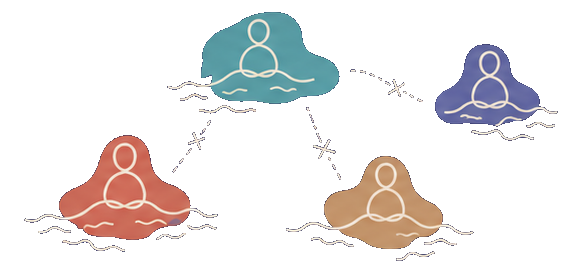
Everyone's on their own island.
People adopt AI in silos. No shared context, no visibility into who decided what or why.
See it — Operating Assessment →We operationalize AI across your team, by helping you build systems for shared context, observable workflows, and touch points for human judgment.
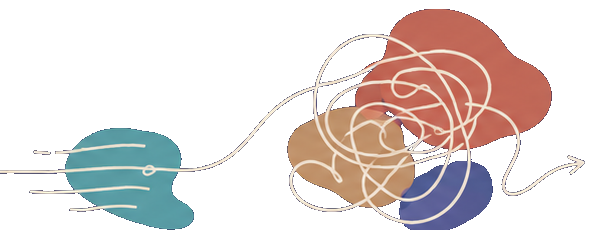
None of these show up in a demo. They show up three months in, when the velocity you bought turns into rework you did not.
People adopt AI in silos. No shared context, no visibility into who decided what or why.
See it — Operating Assessment →You ship fast for a few months, then everything starts crashing. The speed was real. So was the mess underneath it.
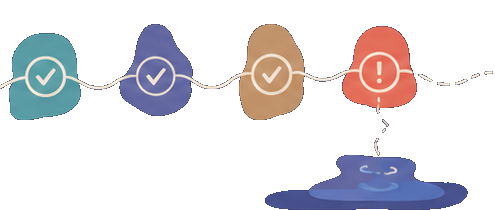
Make it safe — Engineering Review →The killer is not a loud failure. It is the one no one notices until it compounds into cost.
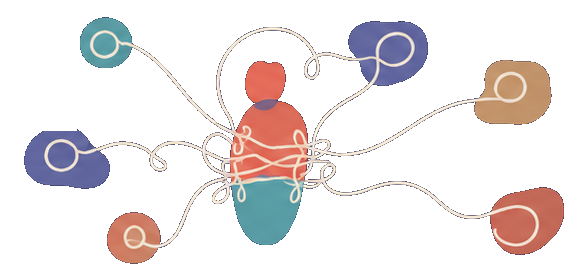
Catch it early — Operating Advisory →Your AI-fluent person becomes a single point of failure instead of a pattern the team can scale.
Spread it — Adoption Sessions →The fix is not more AI. It is making AI work the way a team works — deliberately, observably, together.
Every engagement runs one spine: assess where AI actually stands, activate what works — safely, and across the team — then advise so the early wins don't fade. Enter anywhere on it.
Every person on your team now has a capable agent. That problem is solved — and it is not where your leverage is anymore.
The hard part is what happens between people: shared context that does not drift, decisions that do not get lost, work that does not silently break while everyone is heads-down and moving fast.
That is the layer Nodaste works on.
We dive into the artifacts, interviews, workflows, decisions, and handoffs your team already lives with.
Then we surface what is working, name what is breaking, keep the useful patterns, and toss the noise.
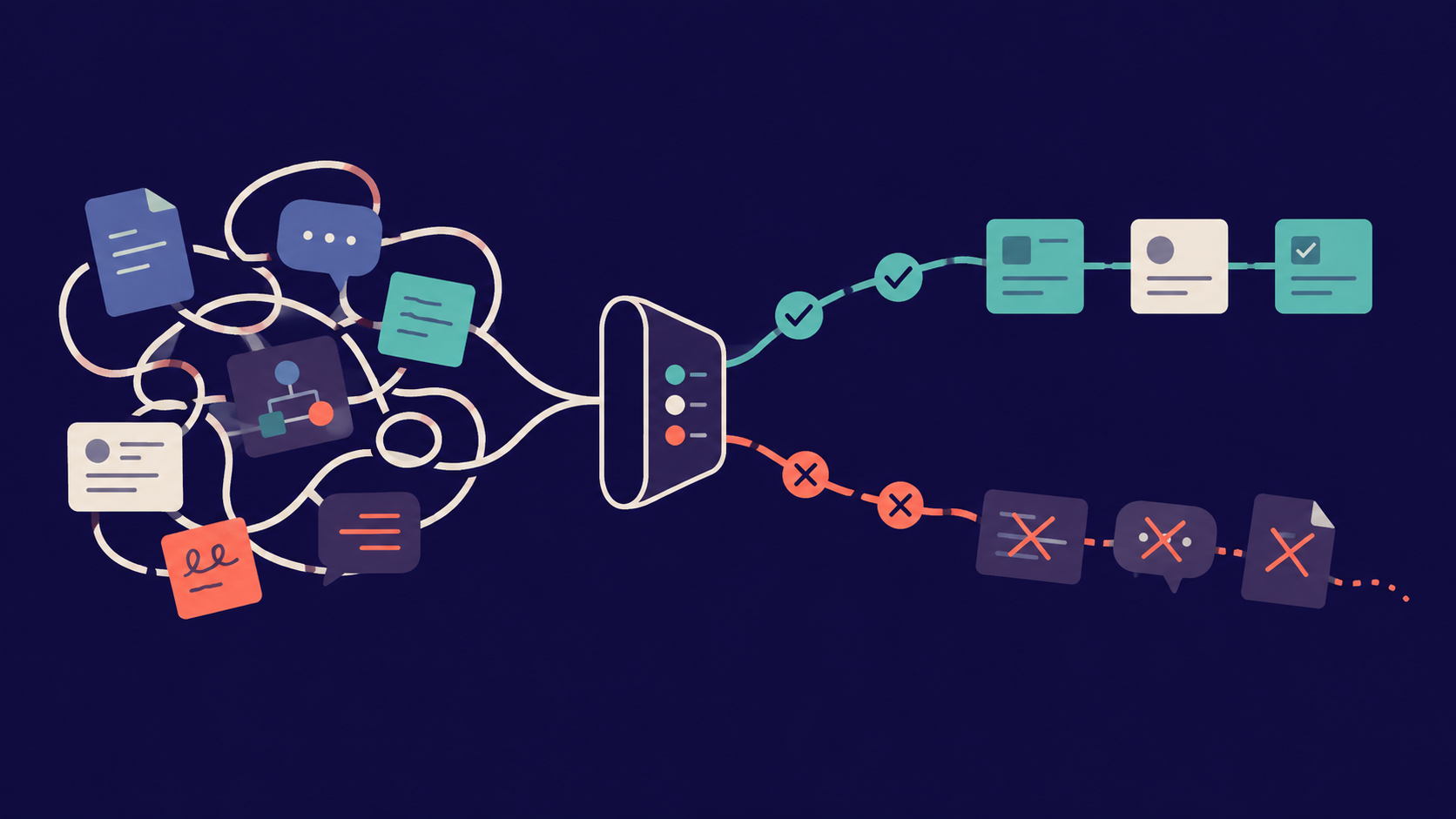
Every engagement is designed to make the team's normal work clearer, safer, and easier to repeat.
The team knows which artifacts, decisions, and signals matter — and where to find them.
Recommendations come with ownership and sequencing, not vague committees.
Human review points and quality signals make AI-assisted work easier to trust.
Some teams need a fast diagnostic. Some need safer engineering workflows. Some need the full operating model rebuilt. Select one service, combine a few, or go embedded when the whole team system needs to change.
See what AI is actually doing to our work today — it's scattered, and context gets rebuilt at every handoff.
The AI Operating Assessment gives you a structured read on how your team really works with AI today, then turns that into a Now / Next / Later plan.
We're selective on purpose.
We take a limited number of teams each quarter, and only where AI is already in play and leadership is ready to change how the work runs.
A 30-minute, no-pitch conversation about where AI is actually helping your team — and where it is not. If we are not the right fit, we will tell you.